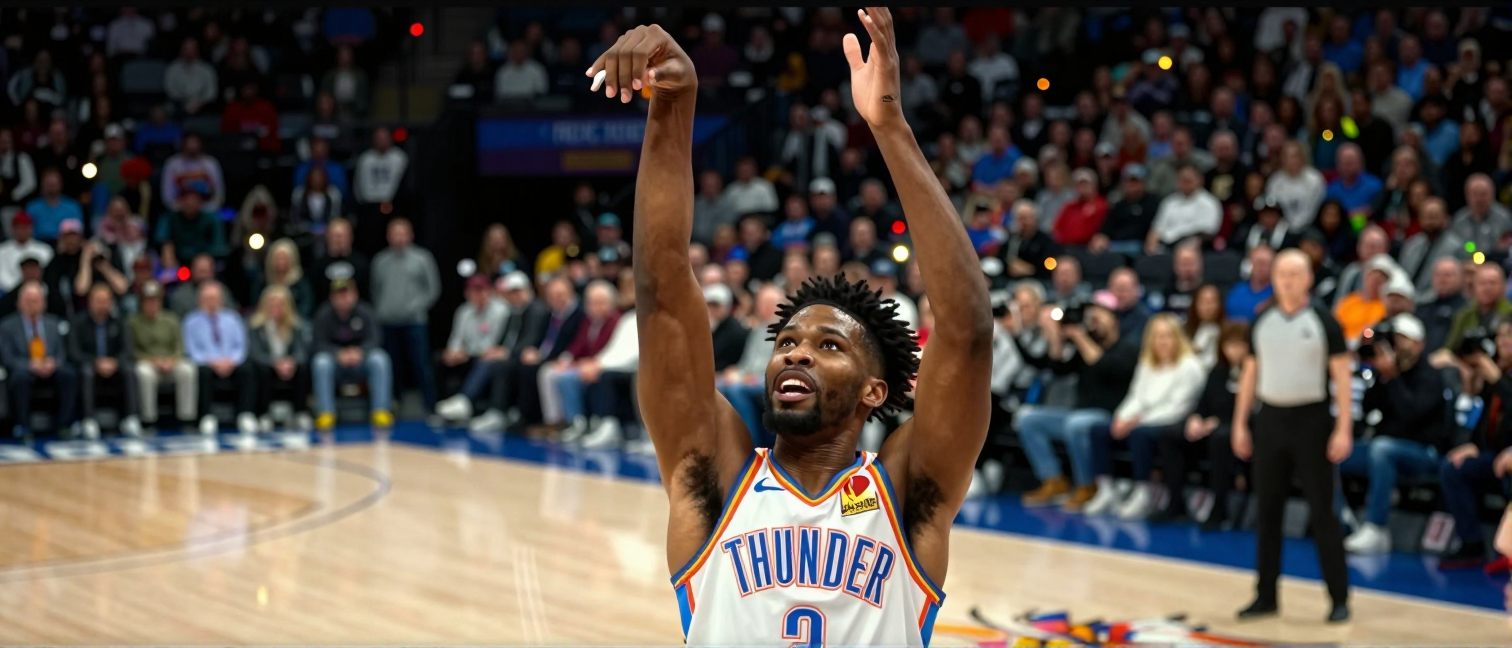
Jalen Williams could be on the move as the Oklahoma City Thunder confront a $250.5 million salary outlook ahead of the 2026 NBA draft, according to ESPN analysts Anthony Slater and Tim MacMahon. The 25‑year‑old forward’s five‑year, $239.3 million extension is set to begin next season, and his injury‑marred 2025 campaign—when the Thunder logged 64 wins and reached the conference finals—has sparked talk of a landscape‑shifting trade.
Why is Oklahoma City considering a trade?
The Thunder’s projected payroll for the upcoming season tops $250 million, a figure that would trigger a luxury‑tax bill exceeding $200 million. Even a deep‑pocket franchise would feel the strain. Analysts suggest the front office may need to shed salary, looking at options like Isaiah Hartenstein ($28.5 million) or Lu Dort ($17.7 million), but a move involving Williams would free the most cap space.
What would a Williams deal look like?
A hypothetical blockbuster could see Oklahoma City packaging Williams for a top‑tier prospect or a package of draft picks. The mock draft highlighted the Washington Wizards’ interest in BYU forward AJ Dybantsa as the No. 1 pick, while the Utah Jazz are eyeing guard Darryn Peterson. Both teams could benefit from adding a proven wing like Williams, especially if they’re willing to absorb his contract.
How does the 2025 season factor in?
Williams entered the 2025 campaign as a key piece of a 64‑win roster that advanced to the conference finals. However, injuries limited his impact, prompting the Thunder to explore cost‑effective alternatives such as second‑year swingman Ajay Mitchell, who finished fifth in Sixth Man voting. The contrast between his production and the looming $239 million extension fuels the debate over whether retaining him is worth the financial hit.
What are the risks for Oklahoma City?
Trading a player of Williams’ caliber could dismantle the core that delivered the 2025 title. Yet, keeping him would lock the Thunder into a massive luxury‑tax burden, potentially hampering future free‑agent flexibility. The decision hinges on whether the front office values immediate contention over long‑term financial health.
What could happen next?
As the 2026 draft approaches, the Thunder are expected to explore every avenue. If a trade materializes, it would likely involve a combination of draft assets and perhaps a rising star from a contender. Should the deal fall through, Oklahoma City may be forced to retain Williams and absorb the tax penalty, reshaping their roster strategy for the next few years.
How will fans react?
Thunder supporters are divided. Some argue that Williams’ talent justifies the expense, especially if he returns to full health. Others fear the luxury‑tax hit could cripple the franchise’s ability to add complementary pieces. The upcoming offseason will reveal which camp holds sway in the boardroom.
The next few weeks will determine whether Jalen Williams stays in Oklahoma City or becomes the centerpiece of a blockbuster trade that could reshape the NBA landscape.